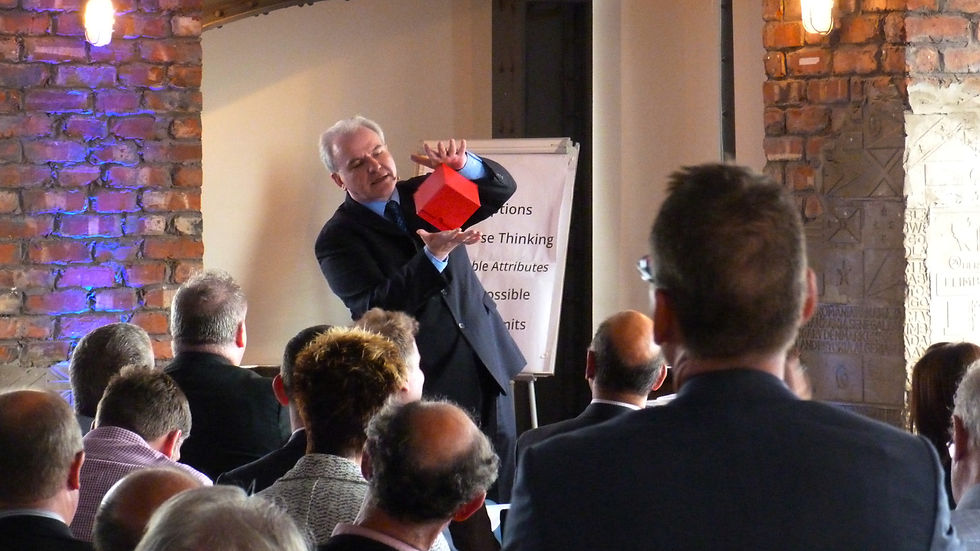

The Magic Of Team-Building Activities!
No matter which company you work for, or which market you're in, you are constantly searching for innovative ways to boost morale, enhance communication and foster stronger collaboration. That’s where team building activities come in. While traditional approaches like workshops and retreats still have their place, many companies have discovered the value of incorporating a touch of magic into their team building activities.
The fact is, magic isn’t just for entertainment; it’s a powerful tool for connection, creativity, and communication. Let's look at how combining magic with team building activities can create unforgettable experiences, strengthen workplace bonds, and deliver real business results.
Why Team Building Activities Matter More Than Ever
Before looking at the magical side of things, let's consider why team building activities are so important. Modern workplaces are often hybrid or fully remote, making it harder for employees to connect on a personal level. Without strong relationships, collaboration suffers.
Effective team building activities can:
Improve communication and trust.
Encourage creative thinking.
Break down hierarchical barriers.
Increase employee engagement and satisfaction.
But not all team building activities are created equal. To truly make an impact, they need to be engaging, memorable, and meaningful — which is where magic comes in.

The Psychology Behind Magic in Team Building Activities
Magic naturally sparks curiosity and wonder. When people experience something intriguing and thought-provoking, they become more engaged and receptive. This makes magic-based team building activities particularly effective.
As a magician, I use techniques such as misdirection, storytelling, and audience participation — all of which translate beautifully into workplace skills:
Misdirection teaches focus and awareness.
Storytelling enhances communication skills.
Audience interaction builds confidence and collaboration.
By incorporating these elements, magic-infused team building activities go beyond surface-level fun and deliver deeper learning experiences.
Types of Magic-Themed Team Building Activities
If you’re considering adding a magical twist to your next event, here are some popular formats of team building activities that involve magicians:
1. Interactive Magic Workshops
I teach your team how to perform one or more simple tricks. Everyone learns some basic sleight-of-hand techniques and then perform for each other. This type of team building activity is excellent for:
Boosting confidence.
Encouraging public speaking.
Promoting peer learning.
2. The 'Create Your Own Magic' Challenge
Teams work together to create and perform their own magic trick or routine (with plenty of help, constructive support, encouragement and guidance). This requires planning, creativity, and coordination — making it one of the most engaging team building activities you can organise. Benefits include:
Strengthening teamwork.
Enhancing creative problem-solving.
Encouraging innovation.
3. Magic-Themed Problem-Solving Games
These team building activities involve puzzles and challenges inspired by magic tricks. Teams must think critically and collaborate to figure out how a particular trick or illusion is done -- and perhaps even work out how to improve it!
This format is ideal for:
Analytical thinking.
Strategic collaboration.
Learning how to think creatively and not just rely on old ideas.

How Magic Enhances Team Dynamics
Magic is more than entertainment—it’s an experience that naturally brings people together. Here’s how it elevates team building activities:
It Builds Trust
When your employees attempt to perform tricks, they are necessarily going outside of their comfort zone. This shared vulnerability strengthens trust between team members — which is one important benefit of team building activities.
Encourages Communication
Many magic-based team building activities require clear instructions and collaboration. Teams must communicate effectively to succeed, improving both verbal and non-verbal communication skills.
Sparks Creativity
Magic thrives on thinking differently. By participating in these unique team building activities, employees learn to approach challenges from new perspectives.
Breaks Down Barriers
Hierarchies tend to 'vanish' when everyone is learning a magic trick together. These team-building activities create an equal playing field, fostering stronger interpersonal connections.
Real-World Impact of Magical Team Building Activities
Companies that invest in creative team building activities often see measurable results. Employees report higher engagement levels, improved relationships, and increased job satisfaction. Magic-themed team building activities are particularly effective because they:
Leave lasting impressions.
Encourage ongoing conversations.
Reinforce learning through experience.
When employees return to their daily tasks, the lessons learned during these team building activities continue to influence their behavior and performance.
Final Thoughts: Adding Magic to Your Team Building Strategy
If your organization is looking to elevate its approach to team building activities, incorporating magic is a powerful and innovative solution. It combines entertainment with education, creating experiences that are both enjoyable and impactful. The best team building activities are those that people remember — and few things are more memorable than magic. By introducing magic into your events, you’re not just planning another workshop; you’re creating moments of wonder, connection, and growth.
So the next time you’re organizing team building activities, think beyond the ordinary. Add a touch of magic, and watch your team transform.
Why Ian Rowland?
Not all magicians specialize in corporate events. I do and I have done for over twenty years. There are two main points to note:
I know the corporate world. I had successful careers in corporate media and IT before I started working for myself, including senior management experience.
I offer a wealth of relevant experience. My client list largely speaks for itself: The FBI, Google, Coca-Cola, Accenture, Marks & Spencer, Stansted Airport, CapGemini, The Crown Estate... and so on.

***